Are you aware that your cozy carpet could be affecting your health? While carpets add warmth and comfort to our homes, they can also harbour harmful chemicals that impact indoor air quality.
This article explores the connection between carpets and various health concerns, from common chemicals found in flooring to potential symptoms you might experience. We will also share practical tips to reduce exposure and eco-friendly alternatives to help keep your living space safe and comfortable.
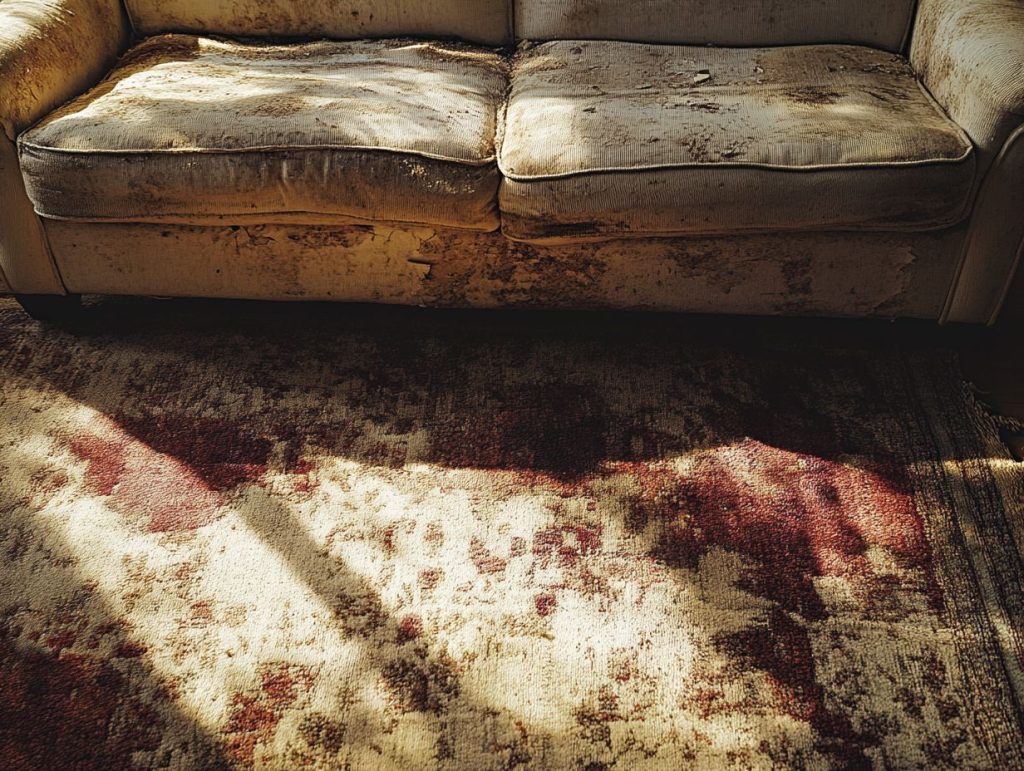
The Connection Between Carpets and Health
You might not think about the connection between carpet and health often. Still, it plays a significant role in your home environment, impacting indoor air quality and overall well-being.
Carpets can trap allergens, dust mites, and other pollutants, leading to health issues such as headaches, fatigue, and respiratory problems. If you are sensitive to irritants, understanding this relationship is essential to keeping your living space comfortable.
Regular maintenance and proper cleaning can help reduce these risks, creating a healthier environment for you and your family.
Understanding Indoor Air Quality
Understanding indoor air quality is key to creating a safe and comfortable home, especially if you have carpeted floors. Factors such as air circulation, ventilation, and the materials in your home can significantly affect the allergens and pollutants in the air. Poor indoor air quality could lead to various health problems, including respiratory and chronic fatigue. That’s why it’s crucial to understand how your home textiles impact the air you breathe.
Carpets, in particular, can be little dust and dander magnets, trapping all sorts of contaminants that can quickly become airborne with just a bit of foot traffic. Furthermore, the effectiveness of your ventilation system is very important for bringing fresh air into your space and reducing indoor pollutants. Keeping up with regular maintenance—such as changing those HVAC filters and ensuring airflow is optimal—can do wonders for your air quality.
When selecting new furnishings, opting for low-VOC materials can help reduce harmful emissions. This will create a healthier and more refreshing atmosphere for you and your family.
Common Chemicals Found in Carpet
You might not realise it, but common carpet chemicals, especially volatile organic compounds (VOCs) and irritants can pose some health risks. Many carpets are made from synthetic fibres that can release harmful chemicals into the indoor air, which could lead to allergies and respiratory problems.
Understanding what your carpets are made of and the cleaning products you’re using is crucial. This knowledge helps you make informed choices that promote environmental responsibility and keep you feeling good.
Potential Health Effects
The health effects of being around carpet-related chemicals can vary greatly, from minor annoyances to serious concerns like cognitive dysfunction and chronic illnesses. If you are regularly exposed to irritants, your allergy symptoms worsen, and you could end up dealing with long-term respiratory issues, fatigue, or even neurotoxicity. Awareness of these health risks is vital, especially if you live in a carpeted space and have any sensitivity.
You might notice skin rashes, eye irritation, or headaches from the volatile organic compounds (VOCs) often lurking in carpets, adhesives, and cleaning products. If you are unfamiliar with the signs of irritant exposure, keeping an eye out for them is crucial.
To reduce these risks, consider:
- Choosing low-VOC carpet options
- Ensuring good ventilation
- Regularly cleaning your carpets to minimise chemical buildup
Additionally, tracking changes in your health can help you spot potential issues early, leading to a healthier living space free from harmful irritants.
Identifying Symptoms of Carpet-Related Illness
Identifying symptoms of carpet-related illness can be tricky since they often resemble other health issues—allergies, headaches, and fatigue. If you’re experiencing unexplained respiratory problems or feeling unusually tired, it might be time to have a health check or even consider allergen testing.
Awareness of these symptoms is your first step towards finding relief and making informed choices to improve your home environment.
Signs to Watch Out For
Regarding carpet-related health issues, looking for signs can help you take action for symptom relief and overall wellness. Look for common indicators like persistent headaches, fatigue challenges, and cognitive function declines—these could hint at irritant exposure or chronic illness connected to your carpets. Spotting these signs early can set you up for effective remediation strategies and positive lifestyle changes.
If you’re experiencing more allergy flare-ups, sneezing, or skin irritations, it might mean your carpet is hiding allergens or even toxic substances. By staying aware of these symptoms, you can pinpoint the specific sources of discomfort in your living space.
To tackle these symptoms effectively, consider giving your carpets a regular deep clean and using air purifiers to improve indoor air quality. Switching to low-VOC or natural rugs can create a healthier atmosphere, ultimately enhancing your well-being. Never underestimate how much a clean, allergen-free environment can improve your quality of life.
Reducing Exposure to Harmful Chemicals
Reducing exposure to harmful chemicals in your carpeted home requires a proactive approach, and some effective tips can help you minimise risks.
Simple actions like cleaning your carpets thoroughly, vacuuming regularly, and using eco-friendly materials boost indoor air quality. Furthermore, considering professional cleaning services and ensuring your home is well-ventilated can help keep pollutants and irritants at bay, creating a healthier environment for you and your family.
Tips for Minimising Risks
To effectively minimise the risks linked to carpet-related health issues, consider a mix of practical tips that focus on how often you clean and how you control allergens. Keeping your home’s humidity at optimal levels using dehumidifiers or humidifiers can make a big difference in indoor air quality. Along with good ventilation and ergonomic practices, these strategies can help create a safer living space.
Regular vacuuming your carpets with high-efficiency particulate air (HEPA) filters can help you eliminate dust and dander. Plus, scheduling professional deep cleaning every few months can tackle stubbornly embedded allergens.
Installing air purifiers with HEPA filters in common areas can even boost air cleanliness. Keeping humidity levels between 30% and 50% helps prevent mould growth and dust mites from crashing your party. If you want to make humidity management easier, investing in smart humidistats that adjust automatically removes the hassle.
By weaving these strategies into your routine, you can create a healthier indoor environment, ensuring your living spaces stay comfortable and allergen-free.
Alternatives to Traditional Carpet
Exploring alternatives to traditional carpets can open up healthier and more sustainable flooring options for your home.
Consider eco-friendly materials such as bamboo, cork, and vinyl, which provide comfort and style without the health risks associated with carpets.
Embracing these alternatives will elevate your home improvement projects and enhance your indoor comfort and overall well-being.
Exploring Natural and Eco-Friendly Options
Exploring natural and eco-friendly flooring options can boost your home’s health and comfort. Think about hypoallergenic choices made from natural fibres or sustainable materials with a lower environmental impact. These alternatives to traditional carpets are becoming popular—and for good reason. When you integrate these materials into your home, you’re enhancing your well-being and showing a commitment to being environmentally responsible.
Eco-friendly materials like bamboo, cork, and reclaimed wood bring unique aesthetics and performance features that can elevate your interior design. Bamboo, for instance, grows quickly and offers a durable, water-resistant option. Cork is fantastic for insulation and noise reduction, making it perfect for those cosy living spaces. And reclaimed wood? It adds character and often has a story, though you might need to keep an eye on maintenance due to wear and tear.
When incorporating these materials into your design, consider using area rugs made from natural fibres to complement hard surfaces or mixing different materials for a visually appealing and functional space. Ultimately, choosing the right eco-friendly flooring not only promotes your health but also showcases your commitment to sustainable living.